Water Solution, One Call Ahead
Enquire? Send Your Mail
- Home
- Products & services
- Zero Liquid Discharge Plant
Zero Liquid Discharge (ZLD) Plant Manufacturer in India
ETP, membrane and thermal stages designed and built in-house
200+
Projects completed
12+
Years Experience
ISO
9001:2015 Certified
On request
Capacity Range
What a zero liquid discharge plant does
A zero liquid discharge (ZLD) plant treats industrial wastewater so that no liquid leaves your site. Most of the water is recovered and reused. The dissolved salts end up as dry solids.
Optima Water Solutions designs and builds ZLD plants in Faridabad and supplies them across India. We are a manufacturer, so the team that designs your plant also fabricates it and commissions it. If you already have an ETP in good condition, we can keep it as the first stage and add the ZLD stages after it.
How a ZLD plant is built
| Stage | What it does |
|---|---|
| Primary and biological treatment | Removes oil, suspended solids and most organic load, and adjusts pH. This is the standard ETP. |
| Ultrafiltration | Takes out fine particles so the RO membranes are protected. |
| RO and high-pressure RO | Recovers clean water and concentrates the salts into a smaller brine stream. |
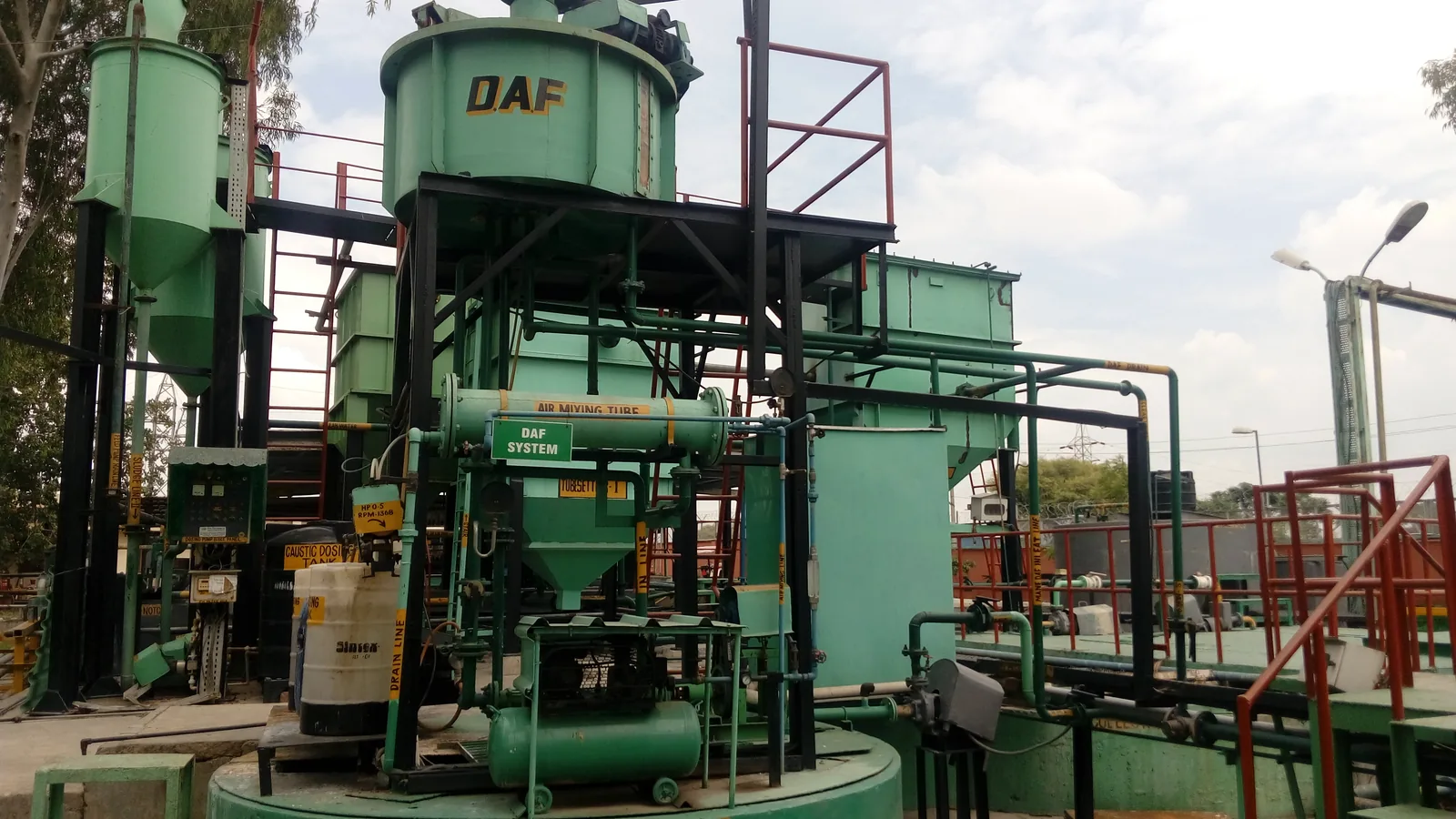
| Evaporator | Multiple-effect evaporator or mechanical vapour recompression boils off water from the brine. |
| Crystallizer or agitated thin film dryer | Turns the last concentrate into dry salt or sludge for disposal or sale. |
The right combination depends on your effluent. High hardness or silica needs softening before RO. Mixed salts are harder to dry than a single salt. A site with cheap steam can lean on evaporation, while a site with limited power may prefer a different mix. We decide these things from your effluent analysis before quoting.
What you get from a ZLD plant
- No liquid discharge outside the plant boundary
- Water recovery of 95 to 99 percent, depending on the effluent
- Recovered water for cooling towers, boilers, washing, process use and gardening
- Salts and solids as dry waste
Where ZLD plants are used
- Textile dyeing and processing units
- Distilleries and food processing
- Pharmaceutical and chemical plants. See our guide to an ETP for the pharma industry.
- Tanneries, power plants and industrial parks with a no-discharge rule
Whether you need ZLD depends on your industry category, location and the consent conditions from your state pollution control board. If you are allowed to discharge treated water, a standard ETP may be enough and costs far less. We will tell you if that is the case.
Running cost and what drives it
Energy for the thermal stage is the largest running cost. Membrane cleaning and replacement, chemicals and labour come next. All of these rise with salinity. We give an estimated running cost per cubic metre in the proposal, based on your analysis and your local power and steam rates.
What we need to size your ZLD plant
- Daily effluent volume and the process that produces it
- A recent effluent analysis: pH, TDS, COD, BOD, hardness, silica, chlorides, sulphates and any metals
- Your consent conditions and CPCB category, if you have them
- How you plan to use the recovered water
- Available space, power and steam
Request a free site visit and proposal, or call +91 97118 80791.
ETP and ZLD by city
Noida · Gurugram · Mumbai · Pune · Jaipur · Hyderabad · Chennai · Bengaluru
Get a Quote for Zero Liquid Discharge Plant
Free site visit & custom proposal from our engineers within 48 hours. ISO 9001:2015 certified. 200+ projects delivered across India.
Common Questions
Zero Liquid Discharge Plant, Frequently Asked Questions
A ZLD plant treats industrial wastewater so that no liquid leaves your site. It recovers most of the water for reuse and turns the dissolved salts into dry solid waste that can be disposed of or sold.
ZLD is common in textile dyeing, distilleries, tanneries, pharma, chemicals and power plants, mostly where the pollution control board or a cluster-level rule does not allow liquid discharge. Your consent to operate states whether it applies to you.
Typically 95 to 99 percent of the inlet flow, depending on the effluent. The rest leaves as solid salt or sludge. The actual figure is fixed during design from your effluent analysis.
The effluent first goes through a normal ETP. Membranes (ultrafiltration, then RO or a high-pressure RO stage) recover clean water and concentrate the salts. A thermal stage, such as a multiple-effect evaporator, mechanical vapour recompression unit, crystallizer or agitated thin film dryer, then removes the remaining water.
Running cost is mainly energy for the thermal stage, plus membrane cleaning and replacement, chemicals and labour. It varies widely with salinity and flow, so we give an estimated cost per cubic metre in the proposal once we have your effluent analysis.
Plan for about 6 to 12 months from design approval, depending on size and whether an existing ETP can be reused. We can reuse your existing ETP as the first stage if it is in good condition.
Daily effluent volume, the process that produces it, a recent effluent analysis (pH, TDS, COD, BOD, hardness, silica, chlorides, sulphates and any metals), your consent conditions, the planned use of the recovered water, and the space and utilities (steam, power) you have.
Ready to Start?
Free site visit and assessment by our engineers. 200+ projects delivered across India.