UV Water Purification: How It Works and When You Need It
What UV Water Purification Actually Does
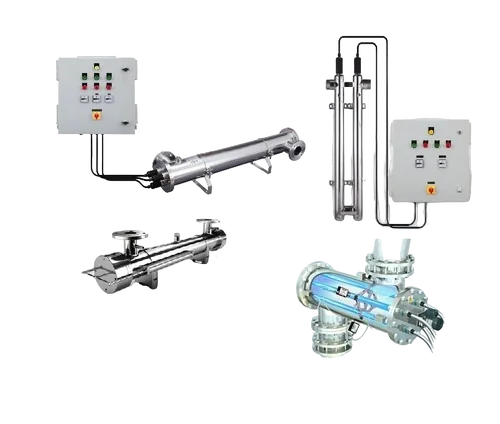
UV water purification uses short-wavelength ultraviolet light (UV-C) to disable bacteria, viruses, and protozoan cysts by disrupting their DNA/RNA structure — preventing them from reproducing without adding any chemicals to the water. It's a physical disinfection process, not a filtration process: UV doesn't remove particles, dissolved solids, or improve taste. It kills or inactivates pathogens.
When You Need UV Treatment
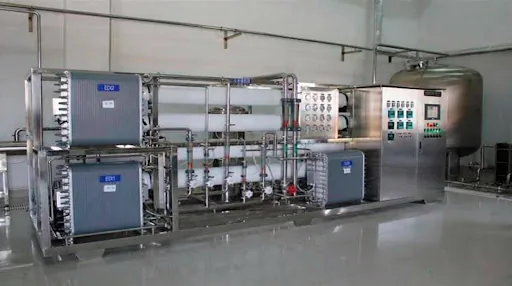
- After RO or UF filtration — as a final pathogen-kill barrier before water reaches the tap
- Borewell or rainwater harvesting sources — where bacterial contamination risk exists
- Any water source without consistent municipal chlorination — private wells, tanker-supplied water, or intermittent municipal supply
- Swimming pools — to reduce chlorine dependency and chloramine formation
UV vs Chlorination: The Real Trade-offs
Chlorination adds a chemical residual that continues protecting water as it moves through distribution piping — something UV cannot do, since UV only disinfects at the point of exposure with no lasting effect downstream. But chlorination can produce disinfection by-products (trihalomethanes) and adds taste/odor, and chlorine-resistant organisms like Cryptosporidium survive normal chlorination doses that UV handles easily. This is why many municipal and packaged drinking water systems use both together — a small chlorine residual for distribution protection, plus UV as the primary pathogen-kill step — rather than choosing one exclusively.
The One Sizing Mistake That Ruins UV Performance
UV dose depends on flow rate AND water clarity (UV Transmittance, or UVT) — not flow rate alone. Water with dissolved organics, iron, or turbidity blocks UV light from penetrating effectively, meaning a UV system sized purely off LPH capacity without checking UVT can be significantly under-dosed even though it looks correctly sized on paper. This is the single most common reason UV systems fail to actually achieve the disinfection they're rated for in the field.
Maintenance You Can't Skip
UV lamps lose effective output well before they visibly fail — typically rated for 9,000-12,000 hours of service, roughly one year of continuous use — and quartz sleeves need periodic cleaning to prevent mineral scaling from blocking UV transmission. Skipping scheduled lamp replacement is the second most common cause of silent disinfection failure, after incorrect initial sizing.