How to Choose the Right Water Treatment Technology for Your Facility
Start With the Question, Not the Technology
The most common mistake we see in water treatment procurement is starting with a specific technology in mind ("we need an RO plant") rather than starting with the actual water quality problem that needs solving. The right technology follows from the answer to three questions: what's in your source water or wastewater, what quality do you need the output to be, and what regulatory or reuse requirements apply to your site.
If You're Treating Wastewater
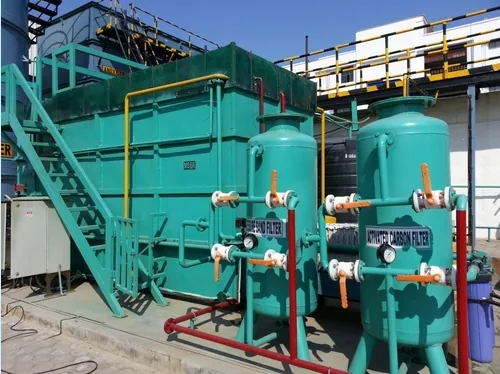
Domestic/sanitary wastewater from housing societies, hotels, or office buildings needs a Sewage Treatment Plant (STP). Industrial process wastewater containing chemicals, dyes, or heavy metals needs an Effluent Treatment Plant (ETP). If your industry falls under CPCB Red category or your state mandates zero discharge, you'll need ETP with Zero Liquid Discharge (ZLD) capability added. Facilities with both domestic and industrial wastewater streams often need both an STP and an ETP as separate systems, since combining them typically doesn't treat either stream correctly.
If You're Treating Source Water for Use
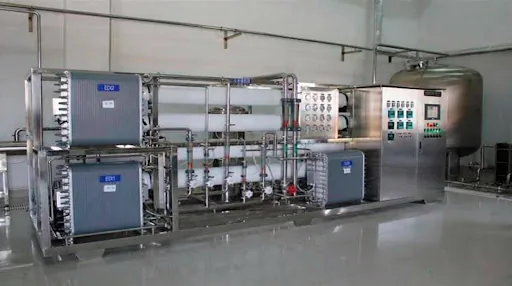
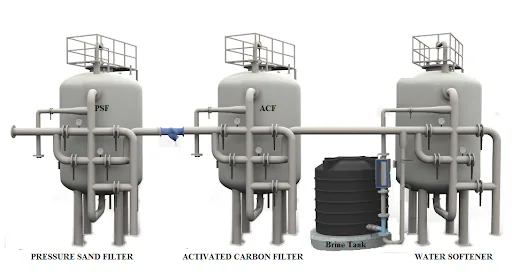
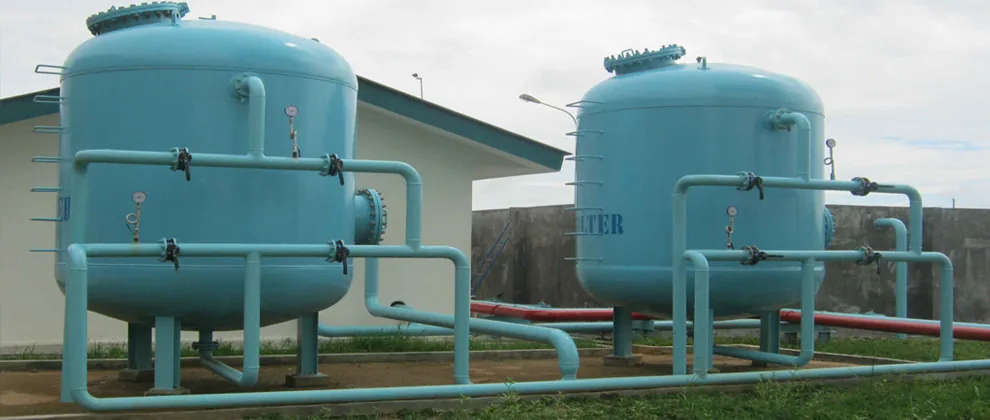
Start with what's actually wrong with your raw water. Turbidity and suspended solids call for media filtration. Bacterial/pathogen risk calls for Ultrafiltration (UF) or UV disinfection. Hardness calls for a water softener or non-chemical scale collector, depending on whether you need genuinely soft water or just scale protection. High TDS or salinity calls for Reverse Osmosis (RO) — or Nanofiltration (NF) if you need selective softening and organic removal without full desalination. Seawater specifically requires SWRO desalination, a higher-pressure variant of standard RO. Applications needing ultrapure, high-resistivity water (pharma, electronics, power) need RO followed by EDI.
A Quick Decision Framework
- Need to discharge treated wastewater legally? → STP or ETP, sized to your CPCB category
- Need drinking-quality water from a borewell? → Media filtration + UF + UV, add RO if TDS is high
- Need to eliminate hardness completely? → Water softener (ion exchange)
- Just want to stop scale damage, keep minerals? → Scale collector
- Need near-total desalination? → RO (fresh/brackish) or SWRO (seawater)
- Need selective softening without full desalination? → Nanofiltration
- Need ultrapure water for pharma/electronics? → RO + EDI
- Zero discharge mandated for your industry? → ETP + ZLD
Why a Water Test Beats Guessing Every Time
Every one of these decisions gets more accurate with an actual water quality report rather than an assumption — TDS, hardness, turbidity, and contaminant profile all shift the correct technology choice and sizing. This is why our first step on any new enquiry is understanding your actual water data, not recommending a product line first.