Hard Water Problems in India: Causes and Solutions
Why Hard Water Is So Common in India
Hard water — water with high dissolved calcium and magnesium content — is widespread across large parts of India, particularly Delhi NCR, Rajasthan, Gujarat, Haryana, and much of the Indo-Gangetic plain, where groundwater commonly tests between 300-600+ mg/L as CaCO3, classified as "very hard" by WHO standards. This is a geological reality tied to the region's limestone and calcium-rich soil composition, not a treatment failure — but it creates real, measurable problems for anyone relying on that water.
What Hard Water Actually Costs You
- Appliance damage: Scale buildup inside geysers, RO units, and washing machines reduces efficiency and shortens equipment life — even 1.6mm of scale buildup can reduce heat transfer efficiency by up to 12%.
- Plumbing damage: Scale narrows pipe diameter over time, reducing water pressure and eventually requiring pipe replacement.
- Higher soap/detergent usage: Hard water reduces lathering, meaning more detergent is needed for the same cleaning result.
- RO membrane fouling: Hardness minerals scale RO membranes faster, shortening membrane life and increasing maintenance frequency.
- Skin and hair effects: Many people notice drier skin and hair with prolonged hard water exposure, though this varies by individual.
Two Different Solutions for Two Different Goals
This is the most common point of confusion we address with clients: a water softener and a scale collector solve different problems, and picking the wrong one for your actual goal wastes money either way.
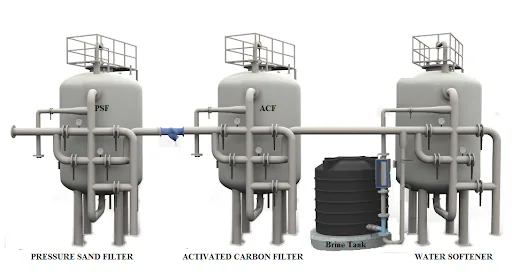
Choose a water softener if you need measurably reduced hardness — for boiler feed water, textile processing, or any application with a strict hardness specification. Ion-exchange softeners replace calcium and magnesium with sodium, and your water will test as genuinely soft afterward, at the cost of ongoing salt consumption and regeneration cycles.
Choose a scale collector (electronic, TAC, or magnetic) if your goal is protecting pipes and appliances from scale buildup while keeping the beneficial minerals in your water. Your water will still test as "hard," but the calcium and magnesium won't crystallize into adherent scale — a salt-free, maintenance-light alternative that's often preferred for drinking water applications.
Getting the Right Fit
The right choice depends on your actual water hardness level, flow rate, and what you're trying to protect — sizing either technology off a generic assumption rather than your real water quality is the most common reason these systems underperform. A water hardness test takes minutes and removes the guesswork.