Water Solution – One Call Ahead
Enquire? Send Your Mail
Optima Water Solutions is an ETP Plant Manufacturer in Chandigarh. We handle Effluent Treatment Plant design, manufacturing, installation, and maintenance end to end. Our ISO 9001:2015 certified systems meet Chandigarh Pollution Control Board discharge norms, helping industries in Chandigarh avoid penalties and operate sustainably. With 158+ installations across India, our ETP solutions serve textile, pharmaceutical, chemical, food processing, and other industries.
What is a Effluent Treatment Plant?
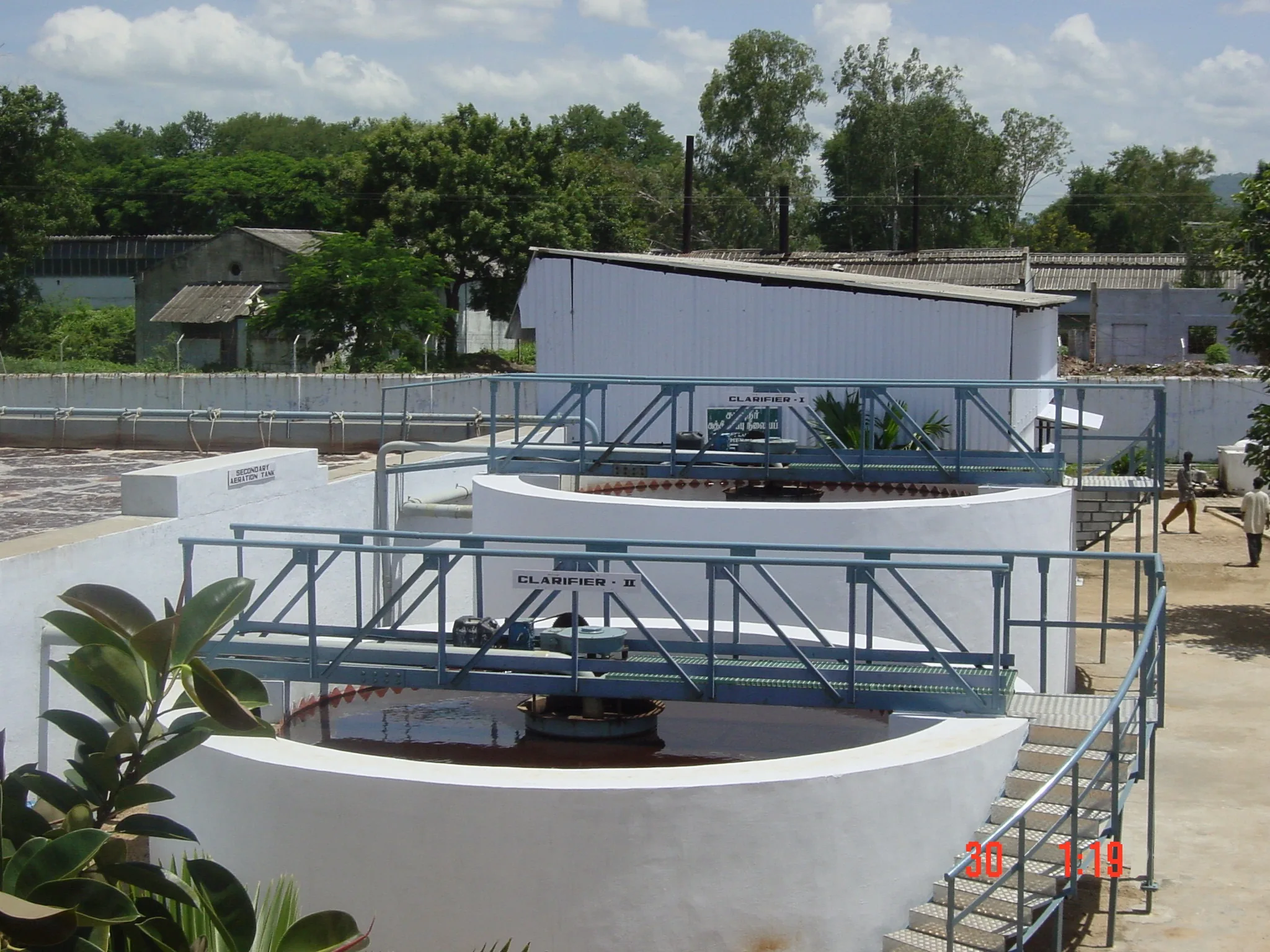
An Effluent Treatment Plant (ETP) is an industrial wastewater treatment system designed to remove pollutants, heavy metals, toxic chemicals, and organic matter from industrial effluent before it is discharged into the environment or reused in the manufacturing process.
Unlike domestic sewage treatment, ETP systems must be customised to the specific effluent characteristics of each industry. Common technologies include physico-chemical treatment (coagulation, flocculation, clarification), biological treatment (aerobic/anaerobic), advanced oxidation, and membrane filtration.
The Water (Prevention and Control of Pollution) Act and CPCB norms make ETPs legally mandatory for all major industries in India. Non-compliance results in penalties, factory closure, and criminal liability for directors.
Effluent Treatment Plant in Chandigarh — Why It Matters
ETP demand across the Chandigarh tricity region concentrates in Mohali's industrial zone and, more significantly, the Baddi-Barotiwala industrial belt at the region's edge — a distinct pharmaceutical and FMCG manufacturing cluster with effluent complexity closer to what we design for in Hyderabad's pharma sector than to general Chandigarh or Panchkula manufacturing.
The jurisdictional split matters as much for ETP clients as it does for STP — Chandigarh city falls under CPCC, Panchkula under HSPCB, and Mohali under the Punjab board, and Baddi-Barotiwala sits under Himachal Pradesh's pollution control board given its location just across the state line. We confirm the correct authority as the first step on every tricity-region ETP enquiry.
Given Baddi-Barotiwala's pharma concentration specifically, a meaningful share of our tricity-region ETP work looks technically similar to our Hyderabad pharma projects — multi-stage treatment addressing specific reagents rather than a standard industrial design.
Key industrial areas we serve in Chandigarh:
Regulatory Note: Chandigarh Pollution Control Committee (CPCC) and HSPCB jointly regulate industrial units. STPs mandatory for all large housing societies and commercial complexes in the tricity region.
Organisations We Have Worked With in Chandigarh
A selection of clients we have supported on water and wastewater projects across Chandigarh. We can share a reference list for your sector on request.
Omaxe Ltd.
Chandigarh
Bhanu InfraBuild Pvt. Ltd.
Chandigarh
ETP Solutions Across Chandigarh
Optima serves Chandigarh through dedicated pages for each city we actively work in — each with its own local details on regulations, industrial zones, and pricing. Pick your city below.
ETP Capacity & Technology for Chandigarh
Baddi-Barotiwala pharmaceutical and FMCG units typically need the same kind of multi-stage treatment train we design for pharma clusters elsewhere — physico-chemical pre-treatment for specific reagents and intermediates, followed by biological treatment, and often an advanced polishing stage to meet the stricter discharge standard pharma manufacturing faces. The exact configuration depends heavily on what each unit specifically produces.
Mohali's industrial zone and general Panchkula manufacturing units typically have a more conventional effluent profile, closer to standard ETP design without the pharma-specific complexity that dominates the Baddi-Barotiwala belt.
Our 4-Step Process — From Design to Handover
1
Effluent Analysis & Design
Collect effluent samples. Lab analysis of BOD, COD, TSS, heavy metals, pH. Custom ETP design for your industry.
2
Engineering & Fabrication
Detailed engineering drawings. In-house fabrication of tanks, reactors, and equipment. Quality testing at factory.
3
Installation & Commissioning
Site installation by expert team. Civil coordination. Full commissioning with SPCB compliance verification.
4
Training & AMC
Operator training for your team. Annual Maintenance Contracts. Documentation for SPCB renewal applications.
Why Choose Optima Water Solutions
- ISO 9001:2015 certified — every ETP built to international quality standards
- Industry-specific designs — textile, pharma, chemical, food, tannery, electroplating
- Full SPCB compliance — all systems meet Chandigarh Pollution Control Board norms
- In-house lab — effluent analysis and treatability studies before system design
- 12+ years, 158+ projects — proven ETP installations across India
- Turnkey execution — design, civil, mechanical, electrical, commissioning, handover
- AMC support — ongoing maintenance, spare parts, operator assistance
- SPCB renewal assistance — documentation and compliance reporting support
- Zero Liquid Discharge upgrades available — convert ETP to ZLD system
- Transparent pricing — detailed BOQ, no hidden costs
Industries & Applications in Chandigarh
Textile Industry
Pharmaceutical
Chemical Industry
Food & Beverage
Electroplating
Tannery & Leather
Paper & Pulp
Paint Manufacturing
Need a Effluent Treatment Plant in Chandigarh?
Tell us your capacity, application and site requirements and our team can prepare a project-specific proposal. ISO 9001:2015 certified. 158+ projects delivered across India.
Effluent Treatment Plant in Other Cities
Related Services in Chandigarh
Learn More About Effluent Treatment Plant
Common Questions
Effluent Treatment Plant in Chandigarh — FAQ
Which pollution board approves an ETP in Baddi-Barotiwala?
Baddi-Barotiwala falls under Himachal Pradesh's pollution control board given its location just across the state line from the Chandigarh tricity area, distinct from CPCC (Chandigarh), HSPCB (Panchkula), or the Punjab board (Mohali). We confirm the correct jurisdiction first for every tricity-region project.
Why does Baddi-Barotiwala need pharma-level ETP treatment?
Baddi-Barotiwala hosts a significant pharmaceutical and FMCG manufacturing cluster, and effluent from these units typically needs multi-stage treatment addressing specific reagents and intermediates, similar in complexity to what we design for pharma clusters in Hyderabad.
What does an ETP cost for a Baddi-Barotiwala pharma unit?
Given the multi-stage treatment most pharma and FMCG units need, costs typically run ₹35 Lakh to over ₹2 Crore depending on process complexity. Call +91 9711880791 for an assessment specific to your reagents and production process.
Does a Mohali industrial unit need the same ETP as a Baddi pharma unit?
No, generally simpler. Mohali's industrial zone and Panchkula's general manufacturing units typically have a more conventional effluent profile without the reagent-specific complexity that dominates Baddi-Barotiwala's pharma and FMCG cluster.
Does Optima's pharma ETP experience from other cities apply to Baddi-Barotiwala?
Yes — the process-specific design approach we use for pharma clusters in Hyderabad transfers directly to Baddi-Barotiwala's pharma and FMCG units, since both require the same kind of multi-stage treatment addressing specific chemical processes.
Ready to Start?
Ask our team about site-assessment availability for your Chandigarh project.